
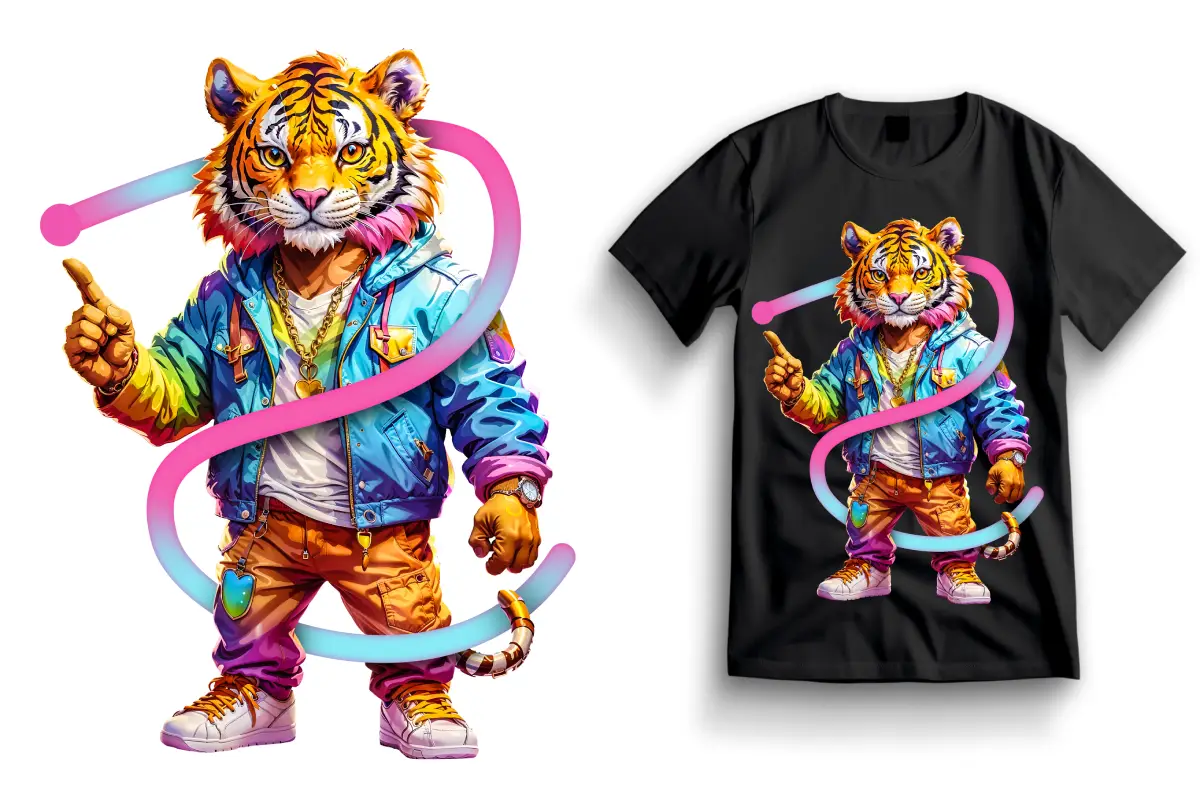
Stepping into the fast-paced world of custom apparel can feel incredibly daunting if you are still tied to traditional printing infrastructure. Fortunately, a quiet revolution has taken place on the production floors of modern design studios, sparked by the massive rise of premium dtf transfers. This digital method has completely reimagined how clothing brands operate by allowing anyone to print high-definition, multi-colored designs onto a transparent carrier film and press them directly onto garments. By separating ink application from physical fabric variables, decorators can eliminate the steep setup costs of screens, eliminate tedious weeding tasks, and achieve beautiful color outputs that commercial clients demand.
For independent labels, sports leagues, and industrial workshops, understanding how DTF systems function is the definitive milestone for scaling a business successfully. Consumers are no longer satisfied with stiff, heavy prints that flake away after a couple of wash cycles; they want breathable, soft garments that look immaculate and endure real-world wear. Adopting this digital methodology ensures your shop can fulfill highly complex, low-volume orders without breaking your budget or sacrificing retail consistency.
The Chemistry Behind Modern Direct-to-Film Production
To fully leverage this technology on your shop floor, it is vital to analyze the exact chemical and mechanical phases that occur before a design lands on a shirt. Unlike older heat papers or plastisol transfers, this workflow utilizes specialized wide-format inkjet systems equipped with micro-piezo printheads that run a continuous white ink circulation routine to maintain uniform ink density.
The print sequence begins by laying down the primary cyan, magenta, yellow, and black pigment inks onto a multi-coated polyester release film. While this colored ink layer is completely fresh, a dense, highly opaque layer of white ink is printed directly over the artwork. This white backing plays a dual role: it seals the colors so they remain incredibly vibrant on dark textiles, and it creates the essential liquid surface needed to capture the incoming bonding agent.
Immediately after the printing step, a finely granulated thermoplastic polyurethane hot-melt powder is applied evenly across the wet surface. This powder clings strictly to the liquid ink, leaving the unprinted clear zones of the PET sheet completely clean. The sheet then passes through an automated infrared curing oven or heat tunnel, transforming the powder into a smooth, rubberized adhesive matrix. Once this short curing stage wraps up, your graphics are completely stabilized, meaning you can cut them apart, store them in your inventory for months, or press them onto clothing immediately when a customer orders.
Operational Advantages of Switching Your Print Production
Integrating modern digital transfers into your workshop pipeline provides instant competitive benefits that reflect clearly on your monthly balance sheets. By removing the manual preparation common with older techniques, print shops can maximize their daily output with fewer production hours.
Complete Freedom Across Diverse Fabric Structures
Older decoration methods heavily limit the types of textiles you can accept from clients. Direct-to-garment systems struggle on synthetic dark polyesters, while screen printing inks are prone to dye migration when applied to high-performance activewear. Because the low-temperature hot-melt adhesive powder creates a protective structural seal, you can safely apply digital film graphics onto nearly any substrate. Synthetic sports uniforms, heavy canvas duffel bags, rugged nylon jackets, leather accessories, and traditional cotton hoodies can all be decorated using identical machine configurations.
Uncompromised Stretchability and Washing Longevity
A frequent question among emerging apparel designers is whether digital transfers can withstand long-term wear without cracking or peeling. High-grade commercial transfers easily endure fifty or more rigorous home laundry cycles while retaining their original color brightness. The cured polyurethane powder forms an elastomeric bond with the underlying textile fibers. This allows the finished design to expand smoothly under tension and return to its original shape without pulling the core ink matrix apart, ensuring long-lasting retail quality.
Automated Execution of Ultra-Fine Graphics
Designs containing tiny typography, distressed vintage textures, or fine color gradients can take hours of tedious hand-weeding if produced with standard heat transfer vinyl. Digital film systems handle these challenging elements automatically during the printing stage. Because the artwork is resolved digitally on a smooth plastic carrier sheet, there is no physical cutting or weeding required, eliminating manufacturing bottlenecks and saving massive amounts of labor cost on intricate orders.
Strategic Sourcing: Finding Balance Between Proximity and Infrastructure
As monthly order volumes scale up, choosing how to secure your printed film transfers becomes a critical business decision. Many small shop owners start by opening a browser and looking for dtf transfers near me to check if a local commercial facility can fulfill orders without standard shipping transit windows. Working with a regional provider offers clear short-term perks, such as picking up your prints directly, avoiding standard freight fees, and running physical quality checks on material samples before launching a full garment collection.
However, relying entirely on a small regional shop can hurt your business growth if that supplier relies on modified desktop equipment instead of true industrial wide-format machinery. Low-end setups frequently suffer from shifting ink densities, leading to uneven white backings, muted colors, and poor adhesive melting that fails during initial wash tests. To safeguard your business reputation, it is vital to vet your print vendors based on their daily capacity, machine calibration, and strict quality control rather than physical location alone. Selecting a dedicated, high-capacity hub like Harwin DTF grants you commercial-grade consistency, ensuring highly vibrant prints and stable adhesive layers on every single delivery.
How to Spot the Ultimate Prints in Southern Retail Hubs
The custom apparel industry throughout Texas has expanded dramatically, creating a busy marketplace filled with competing commercial suppliers. If you want to source the best dtf transfer at Houston, you must look past basic marketing taglines and carefully analyze the raw consumables a print shop integrates into their daily workflow. A premium transfer depends heavily on using high-grade, balanced components from start to finish.
Top-tier suppliers invest in premium, multi-coated PET films that release ink cleanly without leaving sticky edges or oily residue lines behind on your garments. They use high-density pigment inks that produce deep, saturated blacks and crisp white under-bases that remain vibrant even under bright retail display lights. When reviewing regional suppliers, ask for a physical sample pack to test how their sheets perform under intense horizontal stretching and hot-water wash trials in your own shop. A professional print should feel remarkably thin on the shirt, bend easily with the textile weave, and keep sharp outer edges under high tension.
Navigating the Evolving Lone Star Production Landscape
Running a successful clothing line in a major southern business hub requires deep familiarity with regional environmental factors and shipping logistics. Selecting a dependable Houston dtf transfer partner means choosing a supplier that actively manages the local climate during the manufacturing cycle. The intense ambient humidity common across coastal Texas can quickly ruin raw hot-melt powders and open-air ink lines if a production facility is not properly climate-controlled. Excess humidity causes adhesive powders to clump together prematurely, resulting in rough textures, tiny pinholes, and spotty adhesion during the final heat press process.
By shifting your supply chain to a premium manufacturer that operates fully automated, climate-regulated production lines, you protect your brand from seasonal quality drops. Whether you are fulfilling bulk corporate merch orders, custom sportswear for local leagues, or limited-edition streetwear drops, high-capacity automated production provides immense peace of mind. Your team can confidently secure large client contracts, knowing that every sheet delivered will look identical and perform flawlessly on your heat equipment. Harwin DTF actively maintains these premium environmental standards, allowing you to focus your energy entirely on brand marketing, customer acquisition, and creative graphic design.
Step-by-Step Heat Press Calibration for Professionals
Even the highest quality print will fail prematurely if your heat press settings are uncalibrated or rushed. Getting a permanent, retail-grade bond requires balancing time, temperature, and pressure perfectly. Use this professional technical checklist to guarantee clean results on every batch:
- The Pre-Press Moisture Flush: Clamp your blank fabric under the heat press for five to seven seconds before placing your graphics. This flattens stubborn wrinkles and removes ambient moisture trapped inside the fabric fibers, preventing steam bubbles from forming beneath the melting adhesive.
- Secure Alignment: Center your transfer sheet with the printed ink side facing down on the garment. For complex layouts or pocket logos, use heat-resistant tape on the film edges to stop shifting or ghosting when the upper heat platen closes down.
- Calibrated Heat Settings: Set your heat press metrics based on the specific fabric group. Standard cotton shirts and heavy poly-blend fleece perform best between 290 degrees Fahrenheit and 315 degrees Fahrenheit for twelve to fifteen seconds under medium-to-heavy pressure. For delicate synthetics, lower the heat slightly and add a few seconds to the timer to prevent fabric scorching.
- The Cooling Phase: Check your film instructions regarding temperature release points. While some newer films can be peeled hot, many premium multi-coated options are designed strictly for a cold peel. If using cold-peel film, move the garment to a flat surface and let it cool completely to room temperature before peeling the plastic sheet away in a single, smooth movement.
- The Finishing Seal Press: To maximize wash durability and create an ultra-soft feel, place parchment paper or a textured silicone mat over the exposed design and press it one final time for five seconds. A silicone mat provides a soft matte look, while a Teflon sheet leaves a glossier finish.
Optimizing Graphic Files for Commercial Print Systems
To get the highest resolution from industrial digital printers, your digital artwork files must be prepped correctly before submission. Commercial printheads replicate exactly what they receive, meaning low-resolution files or poor background cutouts will lead to blurry physical prints. Build all design assets at a minimum of 300 DPI at the final print dimensions. Vector formats like PDF or SVG, alongside transparent PNG files, are highly recommended.
Be very careful with transparent glows, drop shadows, and soft outer gradients. Because digital printers lay down a solid white ink layer beneath every single pixel of color, soft transparent edges can print with solid white halos on your finished shirts. To make soft fades look clean, use halftone dot patterns or make sure your artwork outlines end with crisp, solid boundaries. Spending a few extra minutes cleaning up your digital design files removes production delays and ensures your physical garments match your online proofs perfectly.
Frequently Asked Questions Regarding Advanced Fabric Customization
Can I safely apply these transfer sheets using a standard home clothing iron?
While you can melt the adhesive powder with a home iron, it is strongly discouraged for commercial clothing lines. Standard irons cannot apply perfectly uniform pressure across the entire graphic, nor can they hold the exact temperature metrics required to fuse the polyurethane powder deep into fabric strands. For retail-grade wash durability that holds up over time, a heavy-duty manual or pneumatic heat press is necessary.
What is an automated gang sheet and how does it lower production costs?
A gang sheet is the practice of positioning multiple different graphics, neck tags, and sleeve logos closely together onto a single, continuous wide-format film roll. Instead of paying for prints on a per-design basis, you purchase the film space by the total linear foot. This allows apparel brands to maximize every square inch of film space, mixing varied sizes and customer jobs together on one sheet to drop your unit production costs.
How should I store unused film transfers to keep them fresh?
Unused transfer films should be kept flat inside a climate-controlled room away from direct sunlight, extreme heat, or high humidity. It is best to keep them sealed inside an airtight plastic container or resealable bag along with a few silica gel packs to absorb any moisture in the air. When stored under these optimal conditions, cured transfers will remain completely viable for up to twelve full months before being pressed onto garments.
Building a Scalable Apparel Business with Reliable Modern Prints
Adopting an advanced digital printing method gives your brand the agility to scale quickly, letting you test out complex multi-colored designs and new product concepts without heavy upfront financial risk. Moving past heavy, outdated production methods and embracing streamlined solutions allows your business to react instantly to shifting fashion trends and high-priority bulk orders. At Harwin DTF, we are committed to providing creators with exceptional print clarity and industrial-strength dependability. Let our production team handle the physical complexities of manufacturing while you focus on what you do best: growing your brand, delighting your customers, and scaling your operation to new heights.