
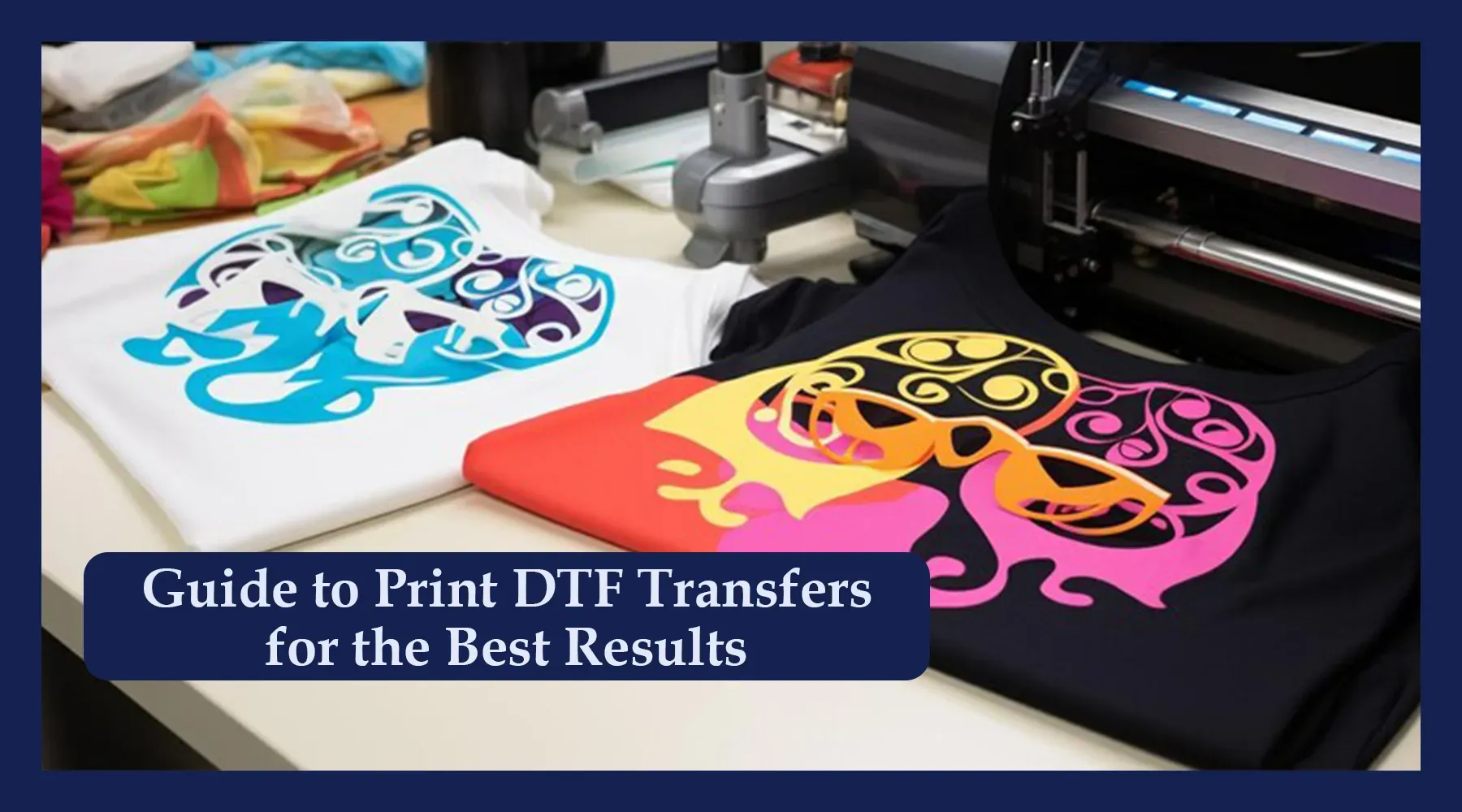
DTF transfers are a growing option for apparel printing, offering the benefits of direct-to-film printing with vibrant color, strong adhesion, and flexible application across a wide range of fabrics. As you explore how DTF transfers work, you will discover how this approach blends the straightforward setup of digital workflows with the ability to produce short runs, multi-color designs, and consistent results even on darker garments. In the DTF vs screen printing comparison, this method often offers quicker setup for small runs, reduced setup costs, and the flexibility to accommodate intricate gradients alongside bold, solid areas. The durability of DTF transfers, when properly cured and cared for, helps garments stand up to repeated washing with minimal cracking or fading, contributing to reliable, long-lasting graphics. Understanding the DTF transfer process—from design and printing to powder coating and heat pressing—helps you weigh options, optimize color management, and plan production with confidence.
Another framing for this technology is film-based transfer printing, where artwork is reproduced on a specialty transfer film before bonding to fabric. Viewed as a print-on-film workflow, it relies on adhesive powder, curing steps, and a heat press to fuse the image with the garment. This approach highlights durability on textiles and compatibility with a wide range of fabrics, including blends and synthetics. Knowing the transfer film, powder selection, and post-press care helps designers optimize color management, texture, and wash resistance. When weighing options such as DTG, screen printing, or vinyl, the core ideas of color depth, flexibility, and production efficiency remain central, even as terminology shifts toward film-based transfer concepts.
DTF Transfers Explained: Understanding Direct-to-Film Printing
DTF transfers are a form of direct-to-film printing where a design is printed onto a specialized polyester film using water-based or pigment inks formulated for heat transfer. This stage creates a vibrant, full-color image on the film that will later be bonded to fabric when heated.
The appeal of direct-to-film printing lies in its flexibility: you can print detailed gradients and photo-like art and still press it onto a wide range of fabrics. DTF transfers blend elements of traditional screen printing with digital workflow advantages, enabling small runs, personalization, and quicker turnarounds without sacrificing color depth.
DTF Transfer Process: Step-by-Step Guide
Design and preparation for a DTF transfer start with artwork in a print-ready CMYK format with flattened layers, and careful calibration of your monitor to match the final output. This step helps ensure predictable results when you move from screen to film to garment.
Printing on film and powder application: The design is printed onto PET transfer film using DTF-grade inks. A finely milled adhesive powder is dusted over the wet ink, then cured so it bonds the ink to fabric during the heat press transfer. The result is a durable graphic that fuses to the fabric rather than sitting on top of it.
DTF vs Screen Printing: Pros, Cons, and Use Cases
DTF transfers vs screen printing come down to order size, design flexibility, and setup considerations. Screen printing can deliver excellent durability and cost efficiency for large runs, but it requires screens, setups, and more manual steps. DTF transfers excel for short runs and highly customized designs with gradients and photo-like detail.
Color accuracy and fabric versatility also factor in. DTF can print across a wider range of fabrics and on darker garments with crisp edges, while screen printing may require more tooling for multi-color artwork. For many small brands, DTF offers a practical balance of quality and flexibility in a lower-setup model.
Durability and Care of DTF Transfers
Durability of DTF transfers is a major selling point when properly printed and applied. With good materials and correct curing, adhesion remains strong, and the durability of DTF transfers typically withstands many wash cycles. You can typically expect 30–60 washes on a standard garment with proper care, and longer lifespans are possible with high-quality materials and precise pressing.
Care guidelines help maximize longevity: turn garments inside out before washing, use cold or warm water with mild detergents, avoid harsh bleaches and fabric softeners, air dry when possible, and avoid ironing directly over the print area.
Materials, Inks, Films, and Equipment for DTF Success
DTF-compatible inks—water-based or pigment inks designed for film-based transfers—are paired with a transfer film and an adhesive powder. The film holds the printed image and, with the powder, enables a clean bond to fabric during heat pressing.
Key equipment includes a reliable heat press with controlled temperature and pressure, a curing unit or conveyor dryer to cure the adhesive powder, and a method to test on various substrates. Choosing the right substrate (cotton, polyester blends, or poly-cotton mixes) and matching film and powder formulas are essential for color fidelity and durability.
Troubleshooting and Best Practices for Professional DTF Results
Common issues include faded or washed-out color, peeling or poor adhesion, cracking after washing, or a glossy surface texture. Start by checking color settings, film quality, and proper printer calibration, then run a test print on fabric with similar fibers.
Best practices emphasize consistent prepress prep, accurate powder curing, and proper transfer parameters—temperature, time, and pressure. Regularly testing on target fabrics, using high-quality inks and powders, and aligning artwork with fabric type will help you achieve reliable, durable results.
Frequently Asked Questions
What is direct-to-film printing and how do DTF transfers work?
Direct-to-film printing (DTF) is a method where a design is printed on a PET transfer film using water-based or pigment inks, then dusted with an adhesive powder, cured, and heat-transferred to fabric with a heat press. The adhesive powder bonds the ink to the fabric, producing a durable, vibrant image that can stretch with the garment. DTF transfers blend digital print flexibility with the durability you’d expect from traditional methods.
How does the DTF transfer process compare to traditional screen printing?
DTF transfer process is typically faster for short runs and highly customizable designs since it avoids screens and extensive setup. Screen printing excels for large runs with strong durability and cost efficiency but requires more setup and isn’t as flexible for multi-color gradients. Overall, DTF is often better for complex artwork on diverse fabrics, while screen printing shines in high-volume, simpler designs.
What factors affect the durability of DTF transfers across fabrics?
Durability depends on ink quality, adhesive powder formulation, proper curing, and correct heat/pressure during transfer, as well as fabric compatibility. Using high-quality DTF inks, well-formulated powders, and precise pressing parameters can deliver reliable durability, with typical wash life varying by materials and care.
DTF transfers vs screen printing: which is more suitable for small runs and varied fabrics?
DTF transfers are ideal for small runs, personalized designs, and complex artwork on a range of fabrics. Screen printing works best for large-volume orders with simple, high-coverage graphics and strong cost efficiency. Choose DTF for flexibility and customization; choose screen printing for scale and long-term durability on compatible fabrics.
What are the key steps in the DTF transfer process from design to finished garment?
Start with design preparation (usually CMYK with flattened colors). Print onto the transfer film with DTF inks, apply an adhesive powder, cure the powder, align the film on the garment, and transfer using a heat press. Finish with any recommended post-transfer care to maximize adhesion and durability.
How can you maximize the durability and longevity of DTF transfers?
Follow care guidelines: wash garments inside-out, use cold or warm water with mild detergents, avoid bleach and fabric softeners, and air-dry when possible. If using a dryer, keep heat moderate and do not iron directly on the print; use a protective sheet or iron on the reverse side. Proper curing, correct powder application, and good material quality also contribute to longer-lasting results.
| Key Point | Summary |
|---|---|
| What are DTF transfers? | DTF transfers are a direct-to-film printing method where a design is printed on a polyester transfer film using water-based or pigment inks. An adhesive powder is applied and cured, and the film is pressed onto fabric with a heat press to fuse the design. The result is a durable, vibrant image that can be printed on a wide range of fabrics. DTF offers flexibility for short runs and customization, combining benefits of traditional screen printing with digital workflows. |
| How DTF transfers work: Step-by-step process |
|
| Materials and equipment |
|
| DTF vs other printing methods |
|
| Durability, care, and performance | DTF transfers provide strong adhesion, good wash durability, and flexibility when properly applied. Expect ~30–60 washes on standard garments with proper care; lifespans can be longer with high-quality materials and controlled pressing. Care tips: turn garments inside out, wash cold or warm, use mild detergents, avoid harsh bleaches/fabric softeners, air dry when possible, and avoid ironing directly on printed areas. |
| Choosing the right approach for your project | DTF is well-suited for limited runs, personalized apparel, intricate gradients or multi-color designs, and fabrics not ideal for DTG or screen printing. It also supports quick turnarounds. Drawbacks include additional processing steps and potentially higher material costs for large runs. |
| Troubleshooting common issues |
|
| Applications and best practices | DTF transfers are versatile for custom apparel, team gear, merchandise, and fashion-forward designs. They work well for runs from dozens to thousands units when paired with proper equipment and workflow. Emphasize high-quality artwork, color management, film/adhesive powder selection, prepress prep, precise heat pressing, and reliable post-transfer care to achieve professional results. |
Summary
Conclusion: DTF transfers offer a compelling blend of color accuracy, design versatility, and practical production efficiency. When you understand the DTF transfer process—from design and printing to powder application and heat transfer—you can leverage this technology to produce vibrant, durable graphics across a range of fabrics. Whether you’re weighing DTF transfers against DTG, screen printing, or vinyl, the right choice depends on your project needs, budget, and expected order volume. As you test different fabrics and settings, you’ll gain confidence in delivering reliable, high-quality apparel with DTF transfers that customers will love.