
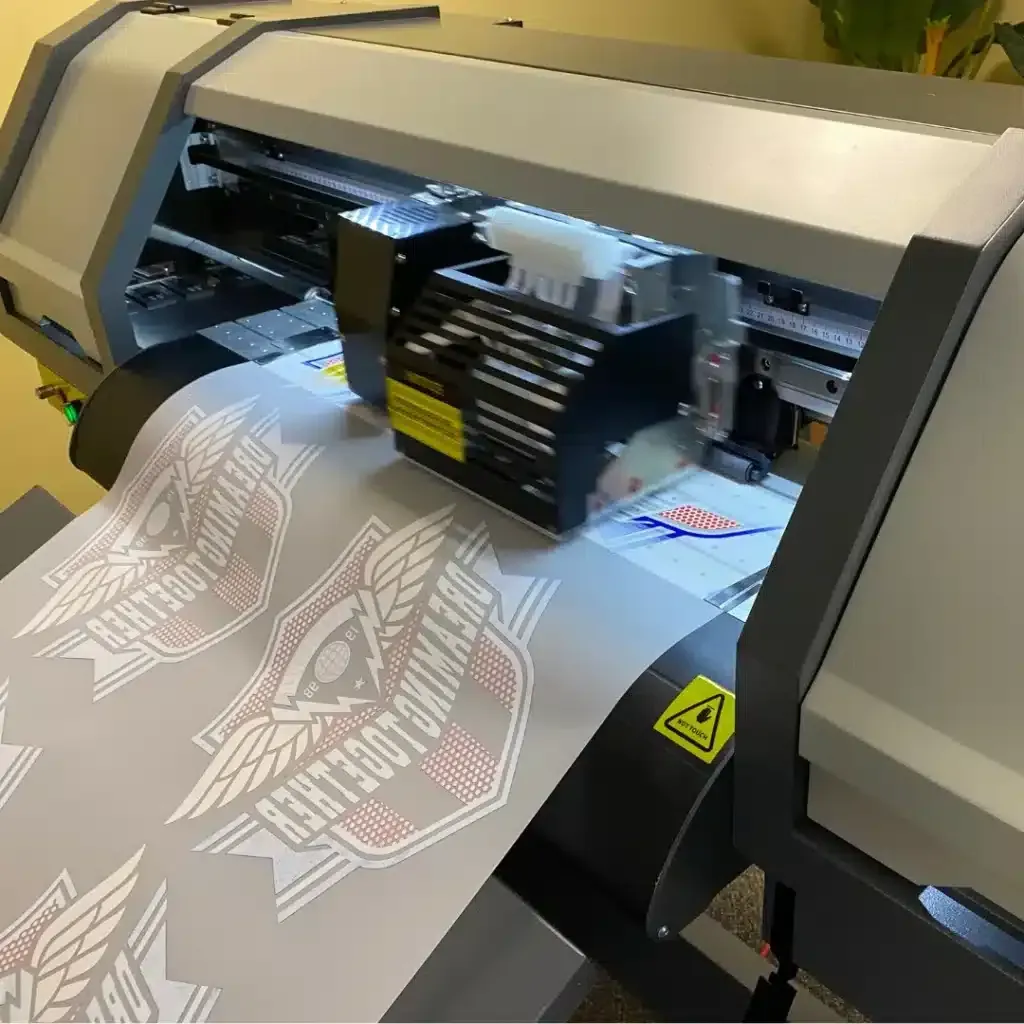
DTF equipment is the backbone of a successful direct-to-film operation, and choosing the right setup can dramatically improve print quality, durability, and workflow efficiency. A robust DTF printer delivers sharp color, reliable ink flow, and smooth software integration, setting the tone for consistent results across jobs. Pair this with a dependable DTF heat press that maintains even temperature and uniform pressure, ensuring clean transfers on multiple fabrics. Beyond printing and pressing, selecting compatible film materials, adhesives, and curing options can influence wash-fastness and long-term durability. With a practical evaluation checklist and room to scale, your setup can boost efficiency while controlling costs.
From a broader perspective, the gear ecosystem for film-to-fabric transfers includes the core machinery, supportive consumables, and the software that ties the workflow together. Think of color-accurate textile printing, thermal transfer equipment, and reliable media as the foundational elements that influence consistency and throughput. A well-planned setup also accounts for space, ventilation, maintenance, and the ability to scale as demand grows, keeping production efficient. In practice, design a clear path from design to final product, with checks for quality at each stage to maintain high standards.
DTF Equipment Fundamentals: Core Components and How They Work
DTF equipment forms the backbone of direct-to-film transfers, encompassing printers, heat presses, and the consumables that drive the process. A typical setup includes a DTF printer, a compatible DTF heat press, DTF film, adhesive, and curing powders. When these elements work together, you can achieve sharp detail, rich color, and durable transfers across a range of fabrics.
Understanding how each component interacts helps you optimize print quality, durability, and workflow efficiency. The right DTF printer should deliver stable liquid ink flow, high native resolution, and solid software integration with your RIP. Pairing it with suitable DTF film and ink ensures color accuracy and reliable adhesion, while the heat press and curing steps finalize the transfer.
Choosing a DTF Printer: What to Look For in Print Quality and Reliability
A DTF printer selection should prioritize print quality and reliability. Look for a model with high native resolution (1200 dpi or more) and mechanisms that minimize banding and color drift. A generous color gamut helps reproduce vibrant designs on both synthetic fabrics and cotton.
Consider the ink system and consumables: ensure the printer uses reliable DTF ink and supports easy refills, with compatibility across a range of DTF film and powder systems. Software compatibility with your chosen RIP is also essential to control color profiles and throughput.
DTF Film and Ink: Maximizing Color Gamut and Wash Fastness
DTF film quality and DTF ink play a pivotal role in color accuracy and wash-fastness. The film choice affects opacity, whiteness, and edge definition, while the ink governs color gamut and durability under repeated washing. Choose products designed for direct-to-film workflows and ensure compatibility with your chosen film type.
To maximize results, align your DTF ink and film with your intended fabrics and adhesives. Color matching becomes more reliable when you validate prints on representative swatches and test curing parameters in your workflow.
DTF Heat Press Essentials: Temperature, Pressure, and Transfer Accuracy
DTF heat press selection directly influences transfer quality. Look for models with a broad temperature range and stable, precise control to handle cotton, polyester, and blends. A heat press in the 0–420°F (0–215°C) range is typical for diverse direct-to-film transfers.
Uniform pressure across the platen is essential for crisp edges and even color. Seek adjustable pressure, reliable gauges or digital readouts, and platen designs that suit apparel like tees and hats. A well-designed heat press reduces misprints and improves repeatability.
Direct-to-Film Workflow Best Practices: From Print to Finish
Direct-to-film workflow best practices start with careful film handling and print validation. Keep film dust-free, inspect prints for color accuracy and alignment, and perform quick checks before applying adhesive and powder to avoid waste.
Adhesive application and powdering are critical steps. Apply adhesive evenly to the printed film and powder uniformly to ensure consistent transfer across various fabrics. Curing after powdering should follow the film guidelines to maximize durability.
Budgeting and Space Planning for a Scalable DTF Setup
Budgeting for a DTF setup starts with a reliable printer and a versatile heat press as the core, then expands with film, adhesive, and powder as demand grows. Start with proven, well-supported equipment to keep initial costs manageable while maintaining flexibility for future needs.
Space planning and ventilation matter, especially when operating larger DTF equipment and printers. Assess your workspace footprint, electrical requirements, and the workflow layout to minimize bottlenecks and downtime.
Frequently Asked Questions
What is DTF equipment and why is it essential for direct-to-film transfers?
DTF equipment refers to the complete ecosystem for direct-to-film transfers, typically including a DTF printer, a DTF heat press, DTF film, DTF ink and film, adhesives, and curing/powder systems. The right combination affects print sharpness, color vibrancy, transfer durability, and production speed, enabling consistent results across fabrics.
How do I choose a DTF printer for direct-to-film workflows?
When selecting a DTF printer for direct-to-film, evaluate native resolution (aim for at least 1200 dpi), ink system reliability, and compatibility with DTF film and powder options. Look for strong software and RIP support to manage color profiles and throughput, as well as footprint and long-term maintenance considerations for your shop.
What should I look for in a DTF heat press for direct-to-film transfers?
For a DTF heat press, prioritize a wide temperature range with stable control (e.g., 0–420°F / 0–215°C), uniform pressure across the platen, and interchangeable platens for different garments. Also consider precise time control, safety features, and solid build quality to ensure consistent transfers from your direct-to-film designs.
What role do DTF film and ink play in transfer quality?
DTF film quality directly affects color accuracy and wash-fastness, while DTF ink determines color gamut and durability on fabrics. Use ink and film designed for direct-to-film workflows and ensure compatibility with your adhesive and powder systems for reliable, long-lasting transfers.
What are best practices for a smooth direct-to-film workflow using DTF equipment?
Best practices include clean handling of DTF film, validating prints for color and alignment, evenly applying adhesive, and uniform powdering with proper curing. Use precise transfer settings on the DTF heat press (temperature, pressure, time) for each fabric type, and provide clear post-transfer care to maintain longevity.
How should I budget and plan space for a DTF equipment setup?
Budget by starting with a proven DTF printer and a versatile DTF heat press, then add films, powders, and adhesive as demand grows. Consider ongoing costs for ink and film, maintenance, space, and ventilation, and plan for scalable equipment with accessible replacement parts to protect your investment.
| Aspect | Key Points | Practical Considerations |
|---|---|---|
| DTF Printer | Heart of the setup; color accuracy; reliable nozzle tech; stable ink flow; high native resolution (>=1200 dpi); robust software integration. | Look for film/ink compatibility, reliable RIP, easy test prints, and readily available spare parts. |
| DTF Film & Ink | Film affects color accuracy and wash-fastness; ink defines color gamut and durability; use inks designed for DTF and confirm film compatibility. | Ensure printer/film/ink compatibility; run tests for color, wash-fastness, and durability. |
| Adhesive & Powder Systems | Adhesive application and curing powder; smooth powder deposition; uniform heat curing. | Check for even adhesive coverage; powder adherence; compatible with your film and heat press. |
| DTF Heat Press | Temperature control; even pressure; precise timing; suitable platen sizes; safe operation. | Seek broad temp range, even pressure, multiple platen options, and safety features. |
| Curing & Finishing | Optional equipment to ensure durability of transfers; supports long-term adhesion. | Plan integration with workflow and curing times; consider space and cost implications. |
| Direct-to-Film Workflow Best Practices | Film handling; print validation; adhesive application; powdering and curing; transfer technique; post-transfer care. | Establish routines; perform QC checks; use gloves; minimize dust; document settings for repeatability. |
| Budgeting for DTF Equipment | Start with a reliable printer and versatile heat press; account for ongoing ink, film, powders, and maintenance; space matters. | Consider total cost of ownership; plan for future upgrades and scalable components. |
| Space & Compatibility Considerations | Space footprint; ventilation; layout; software integration; ensure compatibility with existing tools. | Measure workspace; ensure proper ventilation; verify software compatibility. |
| Maintenance & Quality Control | Routine maintenance; monitor ink levels; clean printheads; calibrate heat press; keep spare parts; periodic QC checks. | Establish maintenance schedules; log checks; run test prints to catch issues early. |
| Training & Support | Vendor onboarding, tutorials, customer support; community knowledge; replacement parts availability. | Evaluate suppliers on training quality and support availability; access to tutorials and parts. |
| Practical Evaluation Checklist | Printer resolution and color accuracy; heat press performance; film/adhesive compatibility; space fit; ongoing costs; support. | Use the checklist during supplier evaluation; request sample prints and proofing. |
Summary
DTF equipment is the foundation for successful direct-to-film transfers, and choosing the right components sets the tone for print quality, durability, and workflow efficiency. By focusing on core elements like printers, heat presses, films, adhesives, and powders, you can build a setup that scales with demand and delivers consistent results. A deliberate, budget-conscious approach to selecting DTF equipment helps you optimize throughput, minimize downtime, and grow a reliable production workflow—from first design to final product.