
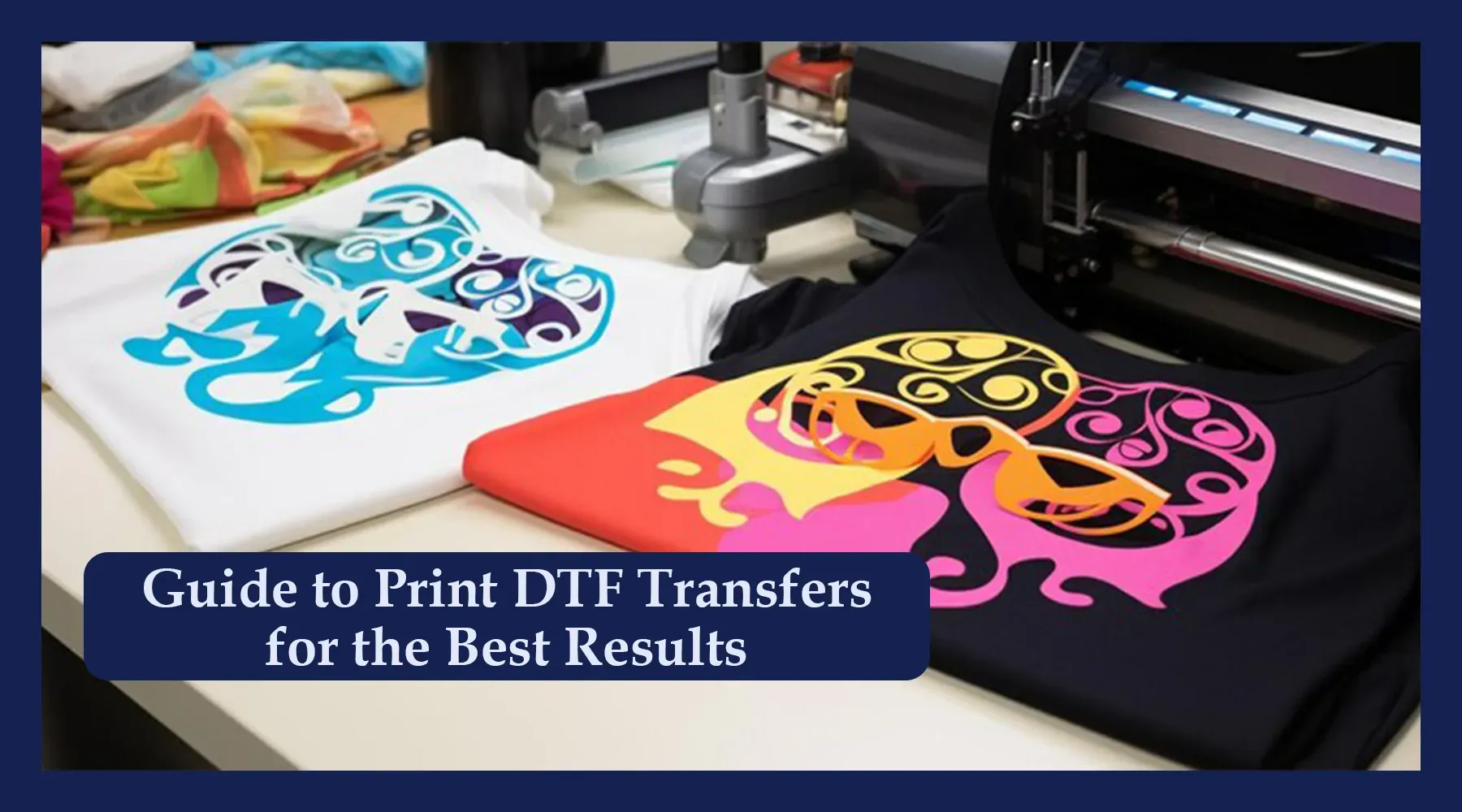
DTF transfers are reshaping how brands decorate apparel, delivering vibrant, durable graphics with flexible production. For t-shirts, hoodies, hats, or bags, this method—often described as direct-to-film transfers—offers high color fidelity and strong adhesion. Understanding the direct-to-film transfer process helps you compare it against alternatives like DTF printing for apparel, with DTG and DTF vs screen printing as reachable benchmarks, especially for full-color designs on dark fabrics. This guide highlights the DTF film printing steps, practical tips for setup, and how to apply DTF transfers to maximize bleed control, durability, and wash resistance. With careful design choices and proper curing, you can achieve bold visuals across fabrics while keeping production efficient and adaptable for on-demand needs.
A film-based heat-transfer workflow, sometimes called direct-to-film decoration, lets designers place bold artwork on clothing without committing to large runs. The approach uses a printable film layered with adhesive, enabling vibrant images on cotton blends, polyesters, and blended fabrics while offering flexibility for on-demand production. From a color-rich finish to the ability to reproduce complex gradients, this method aligns with modern e-commerce customization, where quick turnarounds matter. Understanding the underlying technology—substrate compatibility, ink behavior, and post-press care—helps brands choose the most suitable path among screen printing alternatives, sublimation, or other transfer options.
Frequently Asked Questions
What are DTF transfers and how does the direct-to-film transfer process work for apparel?
DTF transfers are heat-applied images printed on a PET film with an adhesive powder that is cured before pressing onto fabric. The direct-to-film transfer process involves design prep, printing with CMYK plus white ink on film, coating with adhesive powder, curing the film, transferring to fabric with a heat press, and finishing care. This method yields vibrant, opaque colors on both light and dark fabrics and suits bold logos, detailed artwork, and photo-ready designs.
What are the DTF film printing steps?
DTF film printing steps include: 1) design and file prep, 2) printing onto film with CMYK plus white ink, 3) adhesive powder coating, 4) curing the film, 5) transferring to fabric with heat and pressure, and 6) finishing and care to ensure durability and washability.
DTF vs screen printing: when should you choose DTF transfers for apparel decoration?
DTF transfers are ideal for full-color designs, gradients, and small to mid-volume runs with on-demand production and lower setup costs. Screen printing shines for high-volume orders with simple color schemes and very durable ink layers. Choose DTF for flexibility and quick turnaround of multi-color artwork, and screen printing for large batches with straightforward color palettes.
How to apply DTF transfers effectively on garments?
To apply DTF transfers, align the film to the garment, press with a heat press at about 305–320°F (150–160°C) and medium pressure for 10–20 seconds, then follow the recommended hot or cold peel for your film. Allow the print to cure as advised and complete finishing steps, including any post-press cooling and care guidelines to maximize adhesion and color vibrancy.
What fabrics work best with DTF transfers for apparel?
DTF transfers work well on cotton, blends, and many synthetic fabrics. Dark fabrics benefit from a white underbase for opacity, while light fabrics may require a lighter underbase. Always test adhesion on a fabric sample before production to confirm compatibility.
What design and process tips help ensure DTF transfers look great and last?
Follow best practices: use high-resolution art (at least 300 dpi), plan for a white underbase on dark fabrics, manage colors with print-ready profiles, leave a small bleed around the image to accommodate misalignment, test on scraps before full runs, and adhere to proper curing and care guidelines to maximize durability and wash performance.
| Topic | Key Points |
|---|---|
| What are DTF transfers |
|
| The Direct-To-Film Transfer Process |
|
| Materials, Equipment, and Design Considerations |
|
| DTF vs Other Printing Methods |
|
| Benefits and Trade-Offs |
|
| Best Practices for Designing for DTF |
|
| Application, Curing, and Longevity Tips |
|
| Use Cases and Industry Trends |
|
| Common Questions About DTF Transfers |
|
| Care, Longevity, and Best Practices |
|